


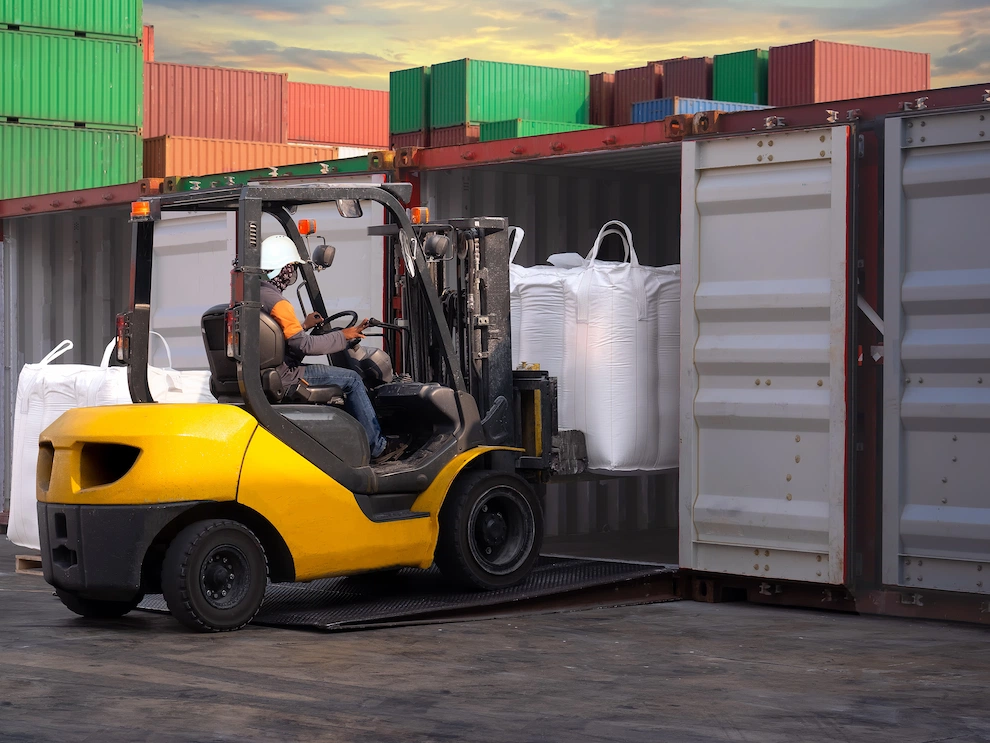
A container freight station, especially in partial cargo transportation, is considered a strategic center located within temporary storage and bonded warehouse areas, the very heart of logistics. In the logistics and transportation sector, the proper handling, loading, and unloading of containers is crucial. These stations ensure that transportation processes are carried out in an organized and efficient manner. While CFS is most commonly used in maritime transportation, similar terminals that fulfill the same function are also found in container-based transportation via rail and road. CFS services are particularly valuable when cargo needs to be consolidated or deconsolidated, making them critical for both import and export operations.
What is a Container Freight Station (CFS)?
A Container Freight Station (CFS) is an operational area where containers are loaded and unloaded, and where customs clearance and pre-transport processes are carried out. These stations play a significant role, especially in international transportation, acting as centers where various operations like the consolidation and segregation of container cargoes are performed. CFS enables the organized unloading, loading, segregation, storage, and customs processing of containers prepared for shipment or recently arrived.
CFS is utilized during import and export operations for handling containers before and after customs clearance. These stations are critical points in logistics during transportation. Their efficient operation helps businesses streamline the transportation process, saving both time and cost.
Operational Stages of a Container Freight Station (CFS)
The processes conducted at container freight stations are essential for the smooth execution of two-way transportation flows. The typical steps involved at these stations are as follows:
- Arrival and Acceptance of the Container
Once the container is unloaded from the vehicle, it arrives at the station. CFS personnel inspect the container’s condition and report any damage before accepting it. At this stage, they determine whether the container is suitable for storage and transportation and whether any damage has occurred during transit.
- Customs Procedures
During import or export, customs procedures are a vital step. When containers arrive at the CFS, the goods must undergo customs inspections. These procedures, carried out by customs officers, include verifying documents and paying duties and taxes. This is one of the most critical steps in international transport, as missing or incorrect documents can cause delays or halt the process entirely.
- Loading and Unloading Operations
CFS is where the loading and unloading of goods inside the container takes place. This step ensures that the goods are securely and properly placed or removed from the container. Loading and unloading are usually carried out using cranes and forklifts. Accurate handling at this stage reduces the risk of damage and minimizes time loss.
- Preparation and Labeling for Transport
Once customs clearance is completed, the container is prepared for onward transportation. This step includes a final inspection and the application of necessary transport labels to the container. Labels containing transport information make tracking and delivery more efficient.
- Storage and Management
CFS often provides temporary storage areas for containers. The storage phase may continue until the container is ready for shipment after customs clearance. These storage areas ensure the containers are securely held and that the goods are systematically organized.
- Delivery of the Container
When all procedures are completed and the container is ready for delivery, it is moved to the next destination. Exit procedures from the CFS are carried out, and the container is loaded onto the transport vehicle. At this point, the container is fully cleared and ready for shipment.
Importance of CFS in the Logistics Process
Container Freight Stations are a key component of the logistics and transportation industry. CFS plays a crucial role, especially in maritime transport, by accelerating and streamlining transportation processes. Efficient customs handling, proper loading of goods, and systematic storage all contribute to the smooth flow of logistics operations.
CFS is not only essential for transportation companies but also for businesses involved in import and export. These stations enable safe storage, rapid handling, and effective management of goods.
Hursan Logistics and Container Freight Station Services
At Hursan Logistics, we offer Container Freight Station (CFS) services within our temporary storage area to accelerate and optimize international transportation processes. By providing professional solutions in customs clearance, loading, unloading, and transportation, we offer our clients time and cost advantages. Hursan Logistics is always by your side with an experienced team dedicated to safely processing your containers and simplifying your logistics operations! For more information about our services and pricing, visit our website: https://www.hursanlojistik.com.tr/en/




? Process Stages?)