


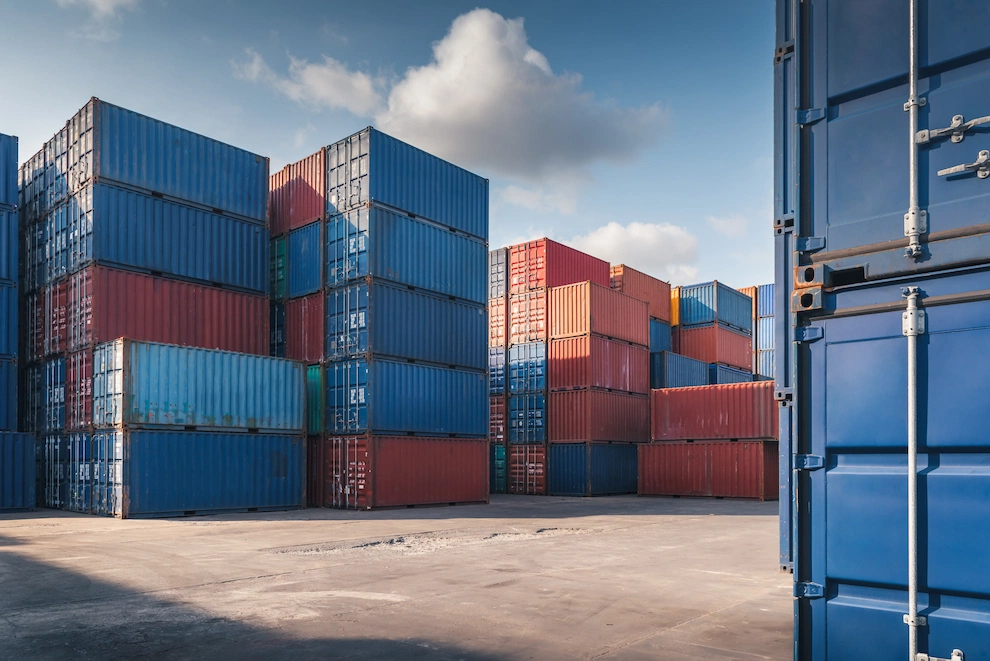
Temporary storage and bonded warehouses are commonly confused terms in the fields of international trade and logistics. While both serve storage-related purposes, they have distinct functions and uses. Temporary storage facilities are particularly important for businesses engaged in import and export activities, providing a space where customs procedures are conducted under the supervision of customs officers. Bonded warehouses, on the other hand, are areas where goods can be stored indefinitely, and customs clearance is performed by Authorized Customs Brokers.
What is Temporary Storage?
Temporary storage refers to facilities where imported or exported goods are held for a short period under customs control. These areas are typically monitored by customs authorities and serve as holding points until the customs clearance of goods is finalized. In this phase, goods have not yet officially entered the country, meaning they are not yet in free circulation within Turkey. However, they may still be subject to commercial activities.
These facilities allow businesses involved in foreign trade to delay customs taxes and duties while also creating flexible logistics solutions. Temporary storage also enables companies to manage customs processes in an organized and controlled manner.
What is a Bonded Warehouse?
A bonded warehouse is a licensed facility where goods not in free circulation can be stored for an indefinite period under customs supervision. Often used during import or export operations, bonded warehouses provide businesses the opportunity to delay customs payments, withdraw goods in parts, and manage stock more efficiently.
Such facilities help reduce costs and improve logistics processes by allowing goods to be securely stored while customs procedures are ongoing.
Key Differences Between Temporary Storage and Bonded Warehouses
Businesses engaged in import/export often wonder about the distinction between temporary storage and bonded warehouses. Here are the primary differences:
- Customs Procedures: Customs procedures in temporary storage areas are carried out by Customs Officers, whereas in bonded warehouses, they are handled by Authorized Customs Brokers.
- Permitted Operations on Goods: In temporary storage areas, commercial operations can begin even before the goods are imported. This means trading and logistics activities can take place while the goods are still in storage. However, in bonded warehouses, certain goods like solvent and base oil cannot be sold and transferred unless the buyer commits to releasing them into free circulation.
- Declarations: Goods brought into temporary storage are accepted under a special declaration, and no customs regime declaration is required. In contrast, to store goods in a bonded warehouse, a customs regime declaration is mandatory.
- Storage Duration: In bonded warehouses, goods can be stored indefinitely, until they are placed under a specific customs regime. In temporary storage areas, the duration is 45 days for goods arriving by sea and 20 days for goods arriving by other means.
Hursan Logistics and Temporary Storage Services
At Hursan Logistics, we offer reliable temporary storage services backed by years of industry experience. Our professional solutions facilitate import and export procedures while ensuring timely and accurate customs processing. We provide customers with secure storage facilities, minimizing risks and delays during the storage period.
We aim to provide the most suitable storage solutions by optimizing customs processes, increasing efficiency, and simplifying your logistics operations. To learn more about our services and explore how we can support your business with expert temporary storage solutions, visit our website: https://www.hursanlojistik.com.tr/en/