

Production with casting involves melting metal materials into a liquid state and pouring them into molds to create the desired shapes. This method not only allows materials to be easily shaped but also facilitates the production of durable and complex designs. One of the oldest production methods in human history, casting continues to play a critical role in many industries today.
What is Casting Used for? How is it Done?
Casting is a production method where materials like metal are melted and poured into molds to achieve the desired shape. This method, which has been in use since ancient times, allows for the practical production of complex and large-sized parts in today’s world.
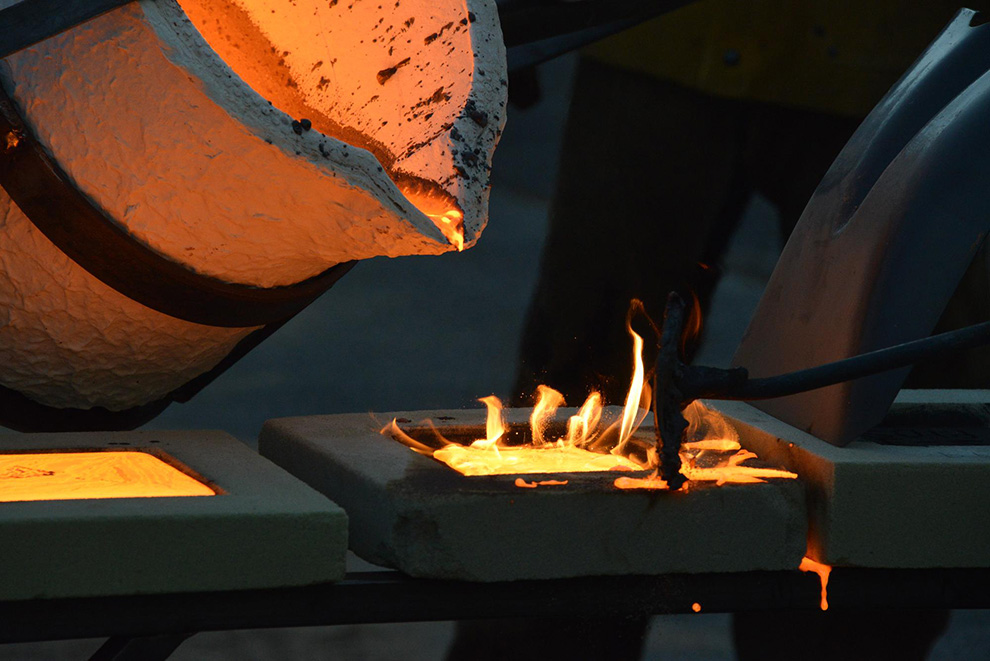
The casting process is carried out professionally with modern equipment. Initially, materials such as steel, iron, or metal are melted at high temperatures. The liquefied material is poured into a mold to take shape. Once in the mold, the material cools and solidifies. The solidified casting product is removed from the mold and prepared for use with surface treatments.
Advantages of Production with Casting
Casting is among the most established and effective production methods in the industry. The advantages of the casting method include:
- Complex Geometries: Casting enables the production of products with intricate geometric patterns that are difficult or impossible to achieve with other manufacturing methods. Fine details, hollow structures, and special designs can easily be created.
- Material Compatibility: All types of metals, as well as some plastics and ceramics, are suitable for casting, making it widely applicable across various sectors.
- Large-Scale Parts: Casting is ideal for producing large-sized components, such as wind turbine parts or heavy construction equipment components.
- Durability and Strength: Casting products are typically preferred for applications requiring high strength and durability. Metal castings, in particular, resist heavy loads and challenging conditions.
- Cost Efficiency in Mass Production: In large-scale productions, the reuse of molds reduces costs, offering a cost advantage.
- High Surface Quality: Modern casting technologies provide high surface quality, minimizing the need for additional processing.
- Quick Prototyping: In prototyping phases, casting offers a fast and efficient production process, saving time and accelerating development cycles.
- Versatility Across Industries: Casting is applied in industries ranging from automotive to construction, aerospace to medical devices, showcasing its flexibility and versatility.
Applications of Casting in Production
Products manufactured with casting are highly durable, making them suitable for a wide range of applications. As a result, the casting method is used to produce various products across different industries. Common application areas include:
- Automotive Industry: Casting products are extensively used in the automotive sector for components like engine blocks, cylinder heads, and transmission parts. Additionally, aluminum casting parts contribute to vehicle weight reduction and fuel efficiency.
- Aerospace and Defense: Aircraft engine components, turbine blades, and lightweight structural parts are crucial in aerospace and defense industries and are produced using casting.
- Construction Industry: Frequently used in construction, this production method facilitates the creation of large and durable structural elements for bridges, buildings, and other infrastructure projects.
- Energy Sector: Wind turbine components, power plant equipment, and turbine assemblies are manufactured using casting.
- Machinery and Industrial Equipment: Components such as pump housings, valves, and gears that require high durability are produced through casting.
- Electrical and Mechanical Components: Electrical motor housings, generator parts, and connection elements are commonly produced using casting.
Casting’s Role in Modern Manufacturing
Casting allows the durable production of complex and large-sized parts across many industries. With technological advancements, casting methods have improved, expanding the range of materials and applications. Thus, casting holds critical importance in the modern manufacturing world.
Anadolu Casting Industry Inc.
Anadolu Casting Industry Inc. operates in a modern 16,400 m² facility equipped with high-tech equipment, producing to world standards. Known for its high production capacity, Anadolu Casting is among the leading global suppliers, providing the industrial sector with steel parts known for strength and durability. Visit our website at https://www.anadoludokum.com.tr/ for detailed information about our products.