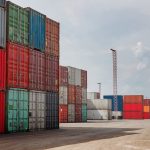



A customs temporary storage area is one of the fundamental elements of international trade. These areas, critical in import and export processes, serve as temporary storage locations for goods arriving from or being sent abroad until their customs clearance is completed. They play a crucial role in ensuring international trade’s safe and efficient conduct.
What is a Customs Temporary Storage Area?
Customs temporary storage areas are places where goods arriving within the scope of international trade are stored during the customs clearance process. These areas allow goods to undergo the necessary inspections and procedures before they are legally admitted into the country. Similarly, they serve as areas where goods await customs approval in the export process.
Usually located at strategic points such as ports, airports, and border crossings, these storage areas facilitate trade flow while ensuring the secure storage of goods.
What are the Features of a Customs Temporary Storage Area?
Temporary storage areas in our country, as in others, must meet specific criteria. Their features, ensuring the safe storage of goods and products, are often of interest to individuals involved in import and export activities.
Security
One of the most critical features of these areas is the secure storage of goods. Security measures include surveillance systems, physical barriers, and round-the-clock monitoring.
Compliance with Customs Regulations
These storage areas operate by Turkey’s customs legislation. Processes such as registering goods, inspecting them, and submitting the necessary documentation are carried out in compliance with customs rules.
Capacity
Designed to accommodate loads of various sizes, these areas feature ample space to prevent capacity issues even during periods of high trade volume.
Technological Infrastructure
Modern temporary storage areas are equipped with advanced technologies that expedite loading and unloading processes. This includes tools ranging from barcode scanning systems to automated loading devices.
Operational Efficiency
Customs temporary storage areas are designed to accelerate trade processes. Steps such as goods acceptance, document control, and shipment are organized effectively.
Specialized Sections
For goods such as hazardous materials, food products, or valuable items, separate storage sections are provided. This ensures both legal compliance and the secure storage of goods.
What are the Advantages of Customs Temporary Storage Areas?
Customs temporary storage areas are frequently used by those engaged in import and export activities. These areas ensure the safe storage of products and goods while enabling seamless trade operations. The advantages include:
- They play a critical role in conducting customs procedures systematically and promptly, ensuring smooth international trade.
- These areas help minimize additional costs caused by delays in logistics and shipment processes, ensuring goods are delivered on time.
- Systematic recording and control in these areas minimize issues such as misdeclarations, missing documents, or faulty shipments, enhancing both legal compliance and operational efficiency.
- Physical and digital security measures ensure goods are stored without damage, reducing risks of theft or loss.
- The infrastructure accommodates goods of various types and sizes, offering flexibility to businesses across different trade sectors.
Customs temporary storage areas, with their modern infrastructure and technological capabilities, ensure both secure storage and efficient customs processes.
As one of the leading logistics companies in Turkey, Hursan Logistics offers a 5,800 m² closed area and a 10,700 m² open area for customs temporary storage operations. We provide secure storage for your goods and products during import and export processes. Visit our website at https://hursanlojistik.com/en/ to learn more about our customs temporary storage services.