


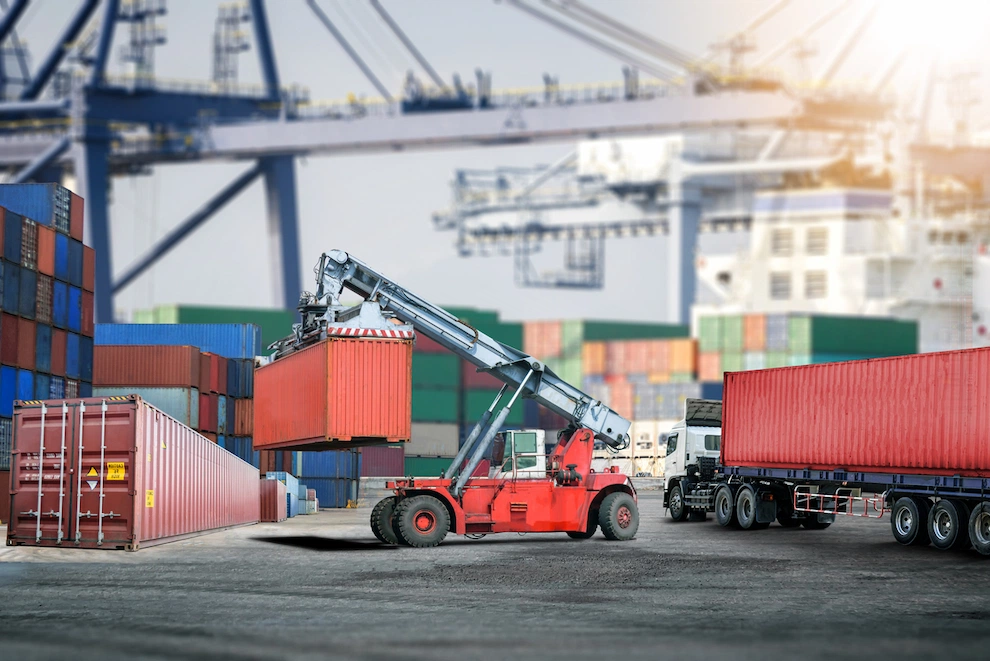
Sea freight plays a crucial role in today’s global trade by enabling the economical and secure transportation of long-distance, high-volume cargo. LCL (Less than Container Load) and FCL (Full Container Load) shipping are environmentally friendly logistics solutions that cater to the diverse needs of businesses of all sizes. These two methods offer flexibility in logistics planning and are vital for the sustainability of international supply chains.
What is LCL (Less than Container Load) Shipping?
LCL shipping is a model in which a container is shared by multiple customers. Frequently preferred by small and medium-sized enterprises, this method allows low-volume cargo to be shipped internationally in a cost-effective way. For example, renting a full container for just one or two pallets of goods would be expensive, so LCL shipping enables businesses to save money by only paying for the space they use.
LCL is especially popular for those searching for “cheap sea freight shipping” or “small-volume cargo transport.” With weekly consolidation services, your cargo can be securely transported from port to port or even door to door.
Advantages of LCL Shipping
LCL shipping offers numerous advantages for small and medium-sized enterprises seeking international logistics solutions. Key benefits include:
- Cost-effective shipping
- Flexible loading and delivery schedules
- High efficiency for small-volume shipments
- Regular transport with frequent vessel departures
What is FCL (Full Container Load) Shipping?
FCL shipping is a method where an entire container is used by a single shipper. 20-foot and 40-foot containers are commonly used for the export and import of high-volume goods. This model is especially relevant for those searching for “bulk sea freight shipping” or “high-volume export transport.”
Compared to LCL, the FCL method has shorter transit times and higher security levels. Since there is no need for consolidation or deconsolidation, the risk of damage is significantly reduced. With door-to-door logistics solutions, FCL shipments offer full control and traceability.
Advantages of FCL Shipping
FCL is the preferred logistics method for transporting large-volume cargo. Its advantages include:
- Lower risk of damage
- Faster transit times
- Less complexity in customs procedures
- Cost efficiency for high-volume shipments
Logistics Operation Processes in Sea Freight
In both transport models, successful logistics operations require professional management. Every detail from vessel schedule planning and container booking to loading organization and customs clearance must be carefully handled. Port services, document tracking, freight agreements, and cargo insurance all contribute to the safety and transparency of transportation. Additionally, services such as “port-to-port container shipping” and “door-to-door sea freight” allow businesses to outsource logistics processes and reduce operational workload.
Why Choose Hursan Logistics?
The key to success in both LCL and FCL shipping lies in choosing the right logistics partner. Hursan Logistics is among the leading companies in international sea freight, offering reliable, timely, and traceable services. Located at Istanbul Ambarlı Port, Hursan Logistics supports your sea freight operations with a skilled operations team and advanced digital tracking systems through its bonded temporary storage services.
To learn more about bonded temporary storage services at Istanbul Ambarlı Port with Hursan Logistics, please visit our website: https://www.hursanlojistik.com.tr/en/